
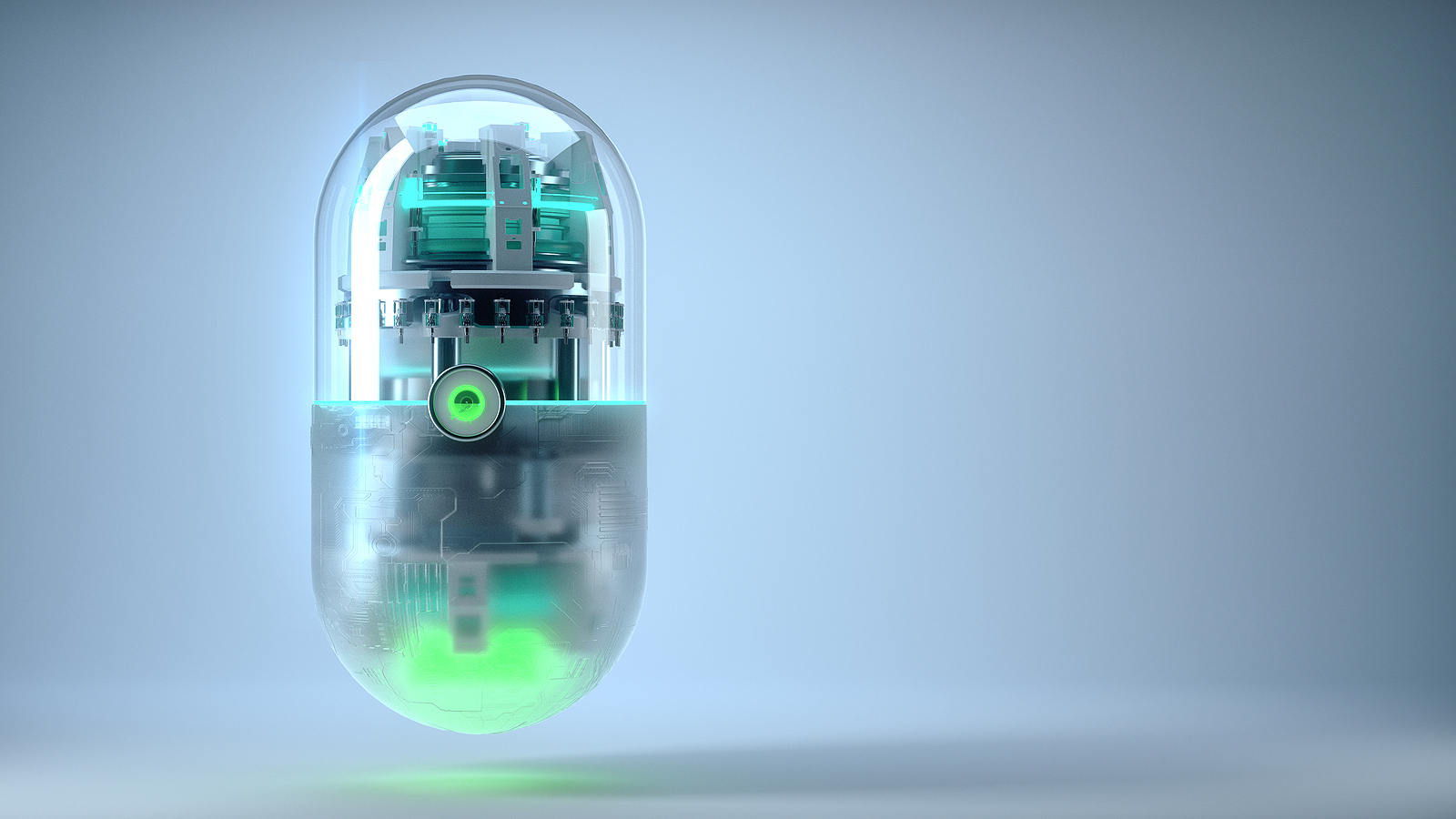
Medical diagnostics is undergoing a technological revolution, and the pill-sized robot camera sits at the forefront of this transformation. Patients swallow this tiny device like any other pill, and it travels through the gastrointestinal (GI) tract, capturing detailed images of the digestive system and giving doctors the tools to diagnose a variety of conditions non-invasively. The pill camera represents a groundbreaking advancement in endoscopy and has the potential to change how we approach diagnostic procedures, offering a less invasive, more comfortable alternative to traditional methods.
This article explores what the pill-sized robot camera is, how it works, its key advantages, and its potential impact on medical care.
What is the Pill-Sized Robot Camera?
The pill-sized robot camera is also known as a capsule endoscope. It’s a small, swallowable device packed with a miniature camera, light source, battery, and transmitter. Engineers designed it to capture high-resolution images as it moves through the stomach, intestines, and colon.
Once swallowed, the body’s natural peristaltic movements carry the capsule through the GI tract. As it travels, the camera shoots thousands of images. It transmits these wirelessly to a wearable data recorder. The patient later excretes the capsule naturally. A doctor then reviews the images, looking for inflammation, ulcers, tumors, or bleeding.
How Does It Work?
The pill camera is a marvel of miniaturization. It fits within the size of a large vitamin capsule. Yet it carries everything needed to image the entire digestive system. Here’s how each component contributes:
- Camera and Lens: The capsule shoots 2 to 35 images per second. Advanced versions capture full 360-degree views, missing nothing along the way.
- Light Source: The digestive tract is completely dark inside. Built-in LEDs illuminate surrounding tissues, keeping every image sharp and clear.
- Battery: A small internal battery powers the capsule for up to 8–12 hours. That’s enough time to cover most of the GI tract.
- Transmitter: The camera sends images wirelessly to a receiver worn on a belt or vest. A physician reviews this data later for diagnosis.
- Natural Excretion: The capsule exits the body naturally after its journey. It’s fully disposable—patients don’t need to retrieve it.
Advantages Over Traditional Diagnostic Tools
Traditional endoscopy and colonoscopy require doctors to insert a long, flexible tube into the body. That means going in through the mouth or rectum. The pill camera takes a very different approach.
Non-Invasive and Painless Traditional procedures are often uncomfortable. Many require sedation or anesthesia. The capsule endoscope needs neither. Patients simply swallow it. There’s no discomfort, no anxiety, and no recovery room.
Comprehensive Imaging The small intestine is long, winding, and hard to reach. Traditional endoscopes often can’t access it fully. The capsule travels the entire digestive tract on its own. It captures images from areas that other tools routinely miss.
Reduced Risk of Complications No invasive procedure means fewer risks. The chances of perforation or infection drop significantly. For many patients, it’s simply the safer choice.
Convenient and Comfortable Patients skip the hospital visit entirely. They wear a small recorder and go about their day. The capsule does its work without disrupting normal life. Few diagnostic procedures offer that kind of convenience.
Applications in Medical Diagnostics
The pill camera handles a wide range of GI conditions. Its most common applications include:
- Crohn’s Disease and Ulcerative Colitis: The capsule spots inflammation and ulcers in the small intestine and colon—hallmarks of both diseases.
- Tumors and Polyps: It identifies abnormal growths that may signal cancer or precancerous conditions.
- Gastrointestinal Bleeding: It excels at locating unexplained bleeding, especially in hard-to-reach areas.
- Celiac Disease: It detects damage to the small intestine caused by gluten intolerance.
Challenges and Future Outlook
The pill camera has real limitations. It can’t perform biopsies or therapeutic interventions. If a doctor spots something concerning, the patient will need a follow-up procedure. The capsule also performs best in the small intestine. In the colon and stomach, rapid movement can limit image quality.
But the technology keeps improving. Researchers are developing capsules with biopsy and therapeutic capabilities. Battery life and camera resolution are both improving. Future versions will be even more powerful diagnostic tools.
Conclusion
The pill-sized robot camera marks a significant leap forward in medical diagnostics, giving patients a non-invasive, comfortable alternative to traditional endoscopy. Its ability to deliver comprehensive imaging of the digestive tract—combined with its potential across a wide range of applications—gives this technology the power to revolutionize how doctors diagnose and treat gastrointestinal disorders. As the technology keeps advancing, the pill camera could become a standard tool in modern medicine, making diagnostic procedures safer, faster, and more comfortable for patients everywhere.
Video with Adam Savage:
https://www.youtube.com/watch?v=FmE93ox9e2c
Skyline IT Services Disclaimer: This document is intended to offer general information and guidance. It is recommended that you consult with your internal technical and / or legal team to review all details, application and / or policies before implementation or adaptation. This document is provided “as is,” without any warranties of any kind. Skyline IT Services disclaims any liability for loss or damage arising from reliance on the information contained in this document.