The global energy storage market stands on the cusp of a major transformation, and sodium-ion batteries are poised to lead it. As demand for renewable energy grows, so does the need for efficient, scalable, and cost-effective energy storage solutions. Lithium-ion batteries currently dominate the market, powering everything from electric vehicles (EVs) to large-scale renewable energy storage systems. However, concerns over cost, resource limitations, and the environmental impact of lithium mining have pushed researchers and companies to seek alternative technologies. Sodium-ion batteries have emerged as a promising solution, offering clear advantages in cost, availability, and sustainability. This article explores how sodium batteries are set to disrupt the energy storage market and what that means for the future of renewable energy.
Abundant and Low-Cost Materials
Sodium-ion batteries hold one of their biggest advantages over lithium-ion in the sheer abundance of sodium. Sodium ranks as the sixth most abundant element on Earth, and manufacturers can extract it easily from seawater or salt deposits. Lithium, by contrast, is far scarcer—its extraction is both expensive and environmentally damaging. Limited lithium availability and geopolitical risks tied to specific sourcing regions have driven up its price and created supply chain vulnerabilities.
Because sodium is so abundant, manufacturers can produce sodium-ion batteries at a lower cost than lithium-ion equivalents. As the world transitions to cleaner energy, demand for energy storage will grow exponentially. The cost advantages of sodium-ion batteries position them as a more scalable and affordable solution—one that could significantly lower the price of energy storage systems and make renewable energy more accessible to both consumers and industries.
Performance and Safety Benefits
Lithium-ion batteries have long dominated the market thanks to their high energy density and efficiency, but sodium-ion batteries are catching up fast. Although sodium-ion batteries currently carry a slightly lower energy density, they bring other attributes that make them highly attractive for energy storage applications.
Superior thermal stability stands out as one of sodium-ion batteries’ key advantages. They resist overheating more effectively and operate more safely in high-temperature environments—qualities that make them strong candidates for large-scale energy storage systems, which demand stable and reliable performance over long periods. Sodium-ion batteries also resist thermal runaway, a dangerous condition that can trigger fires or explosions in lithium-ion batteries under certain conditions. These safety benefits make sodium-ion batteries especially appealing for applications where safety is paramount, such as grid energy storage or EVs.
Sustainability and Environmental Impact
Lithium mining’s environmental toll is growing harder to ignore. The extraction process consumes vast amounts of water and energy, often in ecologically sensitive regions. The degradation caused by lithium mining, combined with mounting concerns over lithium-ion battery disposal, raises serious questions about the long-term sustainability of this technology.
Sodium-ion batteries offer a more sustainable path forward. Sodium is widely available and doesn’t require environmentally damaging extraction practices. Sodium-ion batteries also promise a longer lifespan and recycle more easily than lithium-ion alternatives. Using non-toxic, abundant materials further shrinks the environmental footprint of sodium-ion batteries, making them a greener option for energy storage. As governments and industries place greater weight on sustainability, sodium-ion technology’s lower environmental impact gives it a compelling edge.
Applications in Renewable Energy Storage
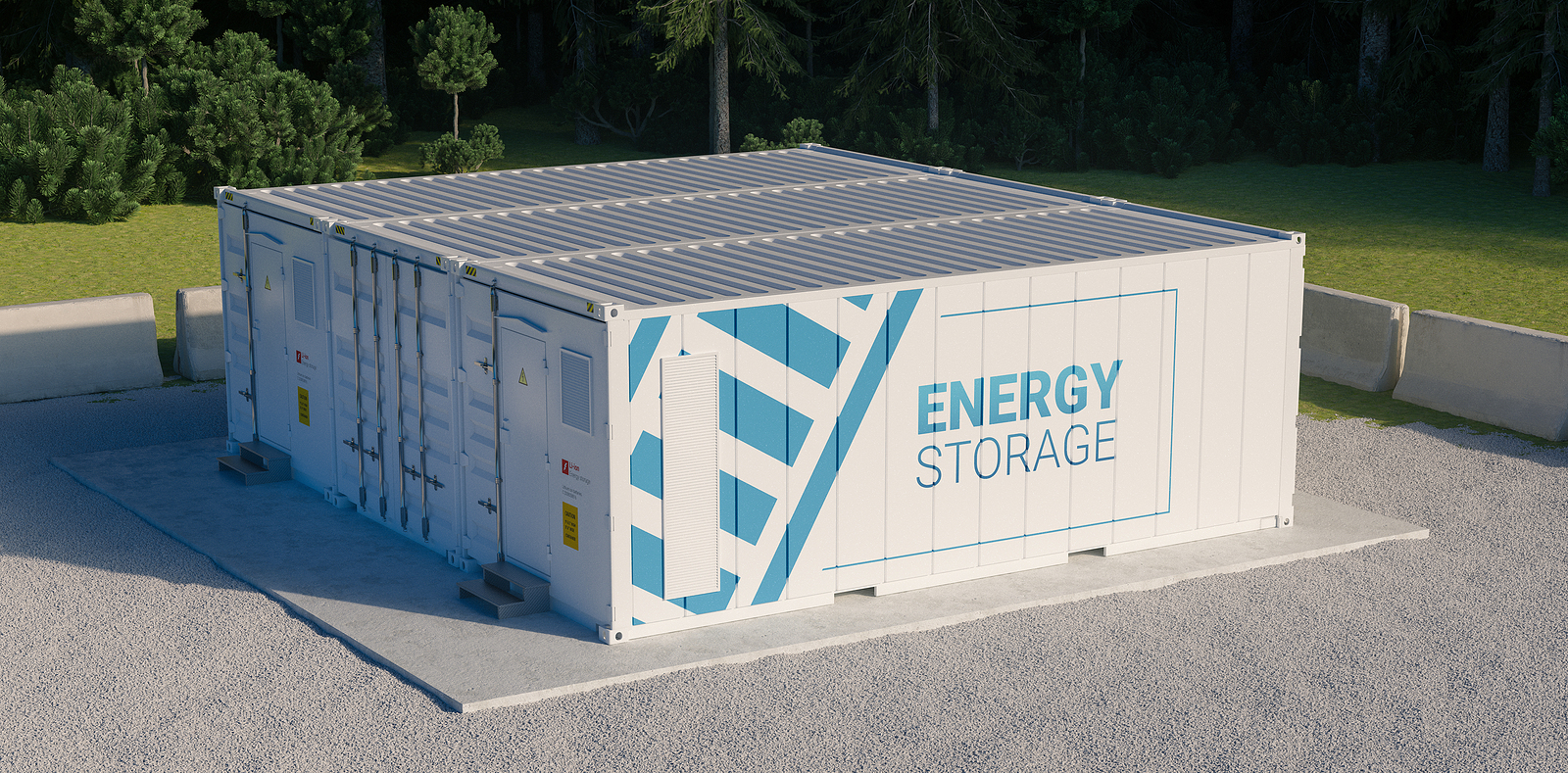
Large-scale renewable energy storage represents one of the biggest opportunities for sodium-ion batteries to make a real impact. Solar and wind energy continue to grow, but their intermittent nature creates a fundamental challenge—solar power only flows during daylight hours, and wind output varies with weather conditions. Grid operators must store excess energy generated during peak production and deploy it when generation drops, ensuring a stable and reliable energy supply.
Sodium-ion batteries suit this role well. Their cost-effectiveness, safety profile, and scalability make them practical for grid-scale storage, and their ability to withstand more charge and discharge cycles without significant degradation makes them ideal for long-term applications. As demand for grid-scale storage accelerates, sodium-ion batteries could play a crucial role in integrating renewable energy into national grids and cutting reliance on fossil fuels.
Challenges and Future Outlook
Sodium-ion batteries carry significant potential, but they still face real challenges before they can fully disrupt the energy storage market. Their lower energy density remains the primary limitation, making them less suitable for applications that demand high energy in small volumes—portable electronics and long-range electric vehicles, for example. Researchers are actively working to close this gap, and advances in electrode materials and cell design are expected to improve energy density in the coming years.
Despite these hurdles, companies and research institutions are already developing and testing sodium-ion batteries. The market saw early commercialization of the technology in 2024, with initial applications targeting grid storage, electric vehicles, and other stationary energy storage systems. As the technology matures and economies of scale take hold, sodium-ion batteries are likely to become a major force in the energy storage market.
Conclusion
Sodium-ion batteries hold immense promise for reshaping energy storage. Their lower cost, abundant materials, improved safety, and reduced environmental impact offer a compelling alternative to lithium-ion batteries—particularly for large-scale energy storage applications. As the world moves toward a more sustainable energy future, sodium-ion technology could play a pivotal role in making renewable energy more affordable, reliable, and accessible. The hurdles are real, but the potential of sodium-ion batteries to transform the energy storage landscape is undeniable, and 2024 may well mark the beginning of a new era.
Skyline IT Services Disclaimer: This document is intended to offer general information and guidance. It is recommended that you consult with your internal technical and / or legal team to review all details, application and / or policies before implementation or adaptation. This document is provided “as is,” without any warranties of any kind. Skyline IT Services disclaims any liability for loss or damage arising from reliance on the information contained in this document.